

Key Figures
Key Figures
Educators
Barbour, Luther H. was superintendent of Durham County Schools from 1925-1943. Carrie Jordan served as Jeanes supervising teacher under his administration. Just before his selection as superintendent the district shrank, with the city of Durham absorbing East and West Durham and several suburbs, which put the majority of Durham’s black students in the city. He emphasized the need for good school attendance by black students, with the proviso that their duties in the tobacco harvest might require creative class scheduling, just as it did for their white counterparts.
Carr, John W. was superintendent of Durham County Schools from 1921 to 1924.
Credle, William Frontis (W. F.) was supervisor of the Rosenwald Fund in the Division of Negro Education, North Carolina Department of Public Instruction. He and George Davis succeeded Charles Moore. Credle was white; Davis was black. N. C. Newbold explained this decision in terms of each one being able to address audiences of their own race.
Davis, George Edward, along with W. F. Credle, replaced Charles Moore as state inspector of Negro schools in the Division of Negro Education, North Carolina Department of Public Instruction. Davis, an African American, reported to Credle, who was white. Davis, a former professor, was inclined to take Booker T. Washington’s approach to racial harmony: “‘My attitude in all my work has been conciliatory—not truckling, if you please—but an attitude of patient waiting and persistent working.” (Leloudis, p. 222)
Day, Mattie N. was the second Jeanes supervisor for Durham County, beginning in 1917. With the start of World War I, she and the homemakers clubs she supervised worked hard to create a stockpile of home-canned goods in response to fear of food shortages.
Ferguson, G. H. was the assistant director of the Division of Negro Education, North Carolina Department of Public Instruction.
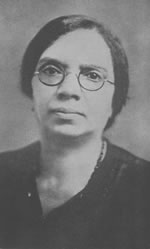
Holland, Annie Wealthy (1871-1934) was born near the Virginia plantation of the Wealthy family, where her grandmother had been a slave. She was named after the plantation’s mistress, whom her family held in high regard. Born in the years just after the Civil War, she grew up in an environment in which “reconstruction began first in the schoolhouses and not in the state houses,” and throughout her life, she worked to improve the lives of her neighbors through education and coordinated effort. This accomplished woman was the first state supervisor of Negro elementary education in the Division of Negro Education, North Carolina Department of Public Instruction, and in this capacity, she was possibly the first professional black women in North Carolina state government.
Holland worked as a teacher and school principal, including a stint in a rural school. Around 1911 she became a Jeanes teaching supervisor, in which capacity she worked in both North Carolina and Virginia. She became the Jeanes Fund’s North Carolina state demonstration agent in 1915. In this position she was largely in charge of the state’s black elementary schools, constantly traveling across the state to lead meetings, fundraise, develop homemakers’s clubs, and improve teacher knowledge through demonstration classes and the formation of training schools. Holland also founded North Carolina’s black Parent-Teacher Association, called the North Carolina Congress of Colored Parents and Teachers, to coordinate school improvement efforts, among other goals.
Holland emphasized that not only must black teachers be excellent educators, they must balance unstinting advocacy of black education with refraining from making whites nervous about it. She demanded that they “must be willing to work” to serve their students and the black community at large. Her prominence as an educator is indicated by her presence in Five North Carolina Negro Educators, a 1939 volume edited by Nathan C. Newbold.
from Dictionary of North Carolina Biography, vol. 3, p. 174 and Abel, Joanne, Persistence and Sacrifice, pp. 28-30
Holton, Holland (1888-1947) served as supervisor of the Durham County schools from 1919-1921. He grew up in Durham, where he received much of his education, including a B.A. from Trinity College (later Duke University). In addition to his stint as head of the county school system, he served in a variety of other educational roles across the state, most notably as director of the Trinity College Summer School from 1920 to 1947.
from Dictionary of North Carolina Biography, vol. 3, pp. 192-193
Husband, Frank T. was an experienced teacher when selected as Durham County’s first Jeanes supervisor in 1915.
Jordan, Carrie T., the third of Durham County's Jeanes teachers (1923-1926), came from a family deeply invested in education. Her husband, Dr. Dock J. Jordan, led the National Training school for teachers at the North Carolina College for Negroes (now North Carolina Central University), and her father, Rev. Lawrence Thomas, preached at the oldest black church in Atlanta and was a founder of Morris Brown College. She was college educated and had extensive teaching experience when she took on the Jeanes supervising teacher position. During her three-year tenure, the city of Durham began annexing parts of the county, changing some schools from county to city jurisdiction. Among other innovations, she introduced the county commencement tradition, which celebrated the educational successes of the children of the black community.
Martin, Frank M. was superintendent of the Durham County Schools, 1924-1925 and Durham City Schools, 1923-1933.
Massey, C. W. was superintendent of the Durham County Schools, 1896-1919.
McIver, Marie was the second state supervisor of Negro elementary education.
Moore, Charles H. (1853-1952), the first state inspector of Negro schools, was hired in 1915 by the North Carolina Teachers’ Association to be Newbold’s assistant. Born a slave, he was educated at Howard University and Amherst. He was an educator himself and was involved in establishing both the North Carolina Teachers’ Association and the Agricultural and Mechanical College for Negroes (now North Carolina Agricultural and Technical State University). His outspokenness in pursuit of fair funding for black schools eventually led to his ouster in 1920, as it caused too much friction with whites, including his supervisor, Nathan Newbold.
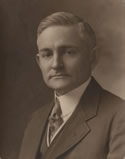
Newbold, Nathan Carter (1871-1957), who began his career as a schoolteacher, is best known for his work as an educational administrator and as the model of a white progressive southern educator of his era. He worked within the strictures of the racial climate of the Jim Crow era to increase black educational opportunities in North Carolina, serving first as North Carolina associate supervisor of rural education and then as director of the Division of Negro Education in the North Carolina Department of Public Instruction, which he helped create. Newbold worked with philanthropies like the Jeanes and Rosenwald funds to secure funding for black education in North Carolina. He was appointed to be the Jeanes Fund’s associate supervisor of rural education in 1913.
from Dictionary of North Carolina Biography, vol. 4, pp. 362-363 and Abel, Joanne, Persistence and Sacrifice.
Nixon, C. V. was Jeanes supervising teacher from 1946 to 1949. He also served as principal of the Little River School.
Peddy, Roberta O. was Jeanes supervising teacher from 1945 to 1946.
Roberson, W. A. was superintendent for Negro high schools in the Division of Negro Education and president of the National Association of Teachers in Colored Schools.
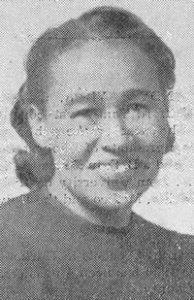
Taylor, Gertrude Tandy started work in September 1926 as the new Jeanes teacher for Durham County at age twenty-six. She had been a teacher in the Mill Grove Colored School before her promotion. Mrs. Taylor was a graduate of Livingstone College and went on to earn a B.S. in education from Ohio State University and an M.A. from the University of Michigan. Mrs. Taylor’s husband, Dr. James T. Taylor, taught at Durham Normal School from 1926 to 1960. Mrs. Taylor worked as the Durham Jeanes teacher for almost twenty years under Superintendent Barbour, returning to teaching when she left that position.
from Abel, Joanne, Persistence and Sacrifice, p. 94.
Taylor, Lucia F. was Durham County's last Jeanes supervising teacher, serving from 1957 to 1961.
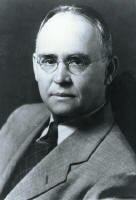
Wannamaker, William Hane (1873-1958) became the dean of Trinity College (later Duke University) in 1917 and served as a member of the school boards of both Durham County (1916-1918) and the city of Durham (1923-1947). He was chairman of the city board from 1925-1947.
from Dictionary of North Carolina Biography, vol. 6, p. 122.
Educators
Barbour, Luther H. was superintendent of Durham County Schools from 1925-1943. Carrie Jordan served as Jeanes supervising teacher under his administration. Just before his selection as superintendent the district shrank, with the city of Durham absorbing East and West Durham and several suburbs, which put the majority of Durham’s black students in the city. He emphasized the need for good school attendance by black students, with the proviso that their duties in the tobacco harvest might require creative class scheduling, just as it did for their white counterparts.
Carr, John W. was superintendent of Durham County Schools from 1921 to 1924.
Credle, William Frontis (W. F.) was supervisor of the Rosenwald Fund in the Division of Negro Education, North Carolina Department of Public Instruction. He and George Davis succeeded Charles Moore. Credle was white; Davis was black. N. C. Newbold explained this decision in terms of each one being able to address audiences of their own race.
Davis, George Edward, along with W. F. Credle, replaced Charles Moore as state inspector of Negro schools in the Division of Negro Education, North Carolina Department of Public Instruction. Davis, an African American, reported to Credle, who was white. Davis, a former professor, was inclined to take Booker T. Washington’s approach to racial harmony: “‘My attitude in all my work has been conciliatory—not truckling, if you please—but an attitude of patient waiting and persistent working.” (Leloudis, p. 222)
Day, Mattie N. was the second Jeanes supervisor for Durham County, beginning in 1917. With the start of World War I, she and the homemakers clubs she supervised worked hard to create a stockpile of home-canned goods in response to fear of food shortages.
Ferguson, G. H. was the assistant director of the Division of Negro Education, North Carolina Department of Public Instruction.
Holland, Annie Wealthy (1871-1934) was born near the Virginia plantation of the Wealthy family, where her grandmother had been a slave. She was named after the plantation’s mistress, whom her family held in high regard. Born in the years just after the Civil War, she grew up in an environment in which “reconstruction began first in the schoolhouses and not in the state houses,” and throughout her life, she worked to improve the lives of her neighbors through education and coordinated effort. This accomplished woman was the first state supervisor of Negro elementary education in the Division of Negro Education, North Carolina Department of Public Instruction, and in this capacity, she was possibly the first professional black women in North Carolina state government.
Holland worked as a teacher and school principal, including a stint in a rural school. Around 1911 she became a Jeanes teaching supervisor, in which capacity she worked in both North Carolina and Virginia. She became the Jeanes Fund’s North Carolina state demonstration agent in 1915. In this position she was largely in charge of the state’s black elementary schools, constantly traveling across the state to lead meetings, fundraise, develop homemakers’s clubs, and improve teacher knowledge through demonstration classes and the formation of training schools. Holland also founded North Carolina’s black Parent-Teacher Association, called the North Carolina Congress of Colored Parents and Teachers, to coordinate school improvement efforts, among other goals.
Holland emphasized that not only must black teachers be excellent educators, they must balance unstinting advocacy of black education with refraining from making whites nervous about it. She demanded that they “must be willing to work” to serve their students and the black community at large. Her prominence as an educator is indicated by her presence in Five North Carolina Negro Educators, a 1939 volume edited by Nathan C. Newbold.
from Dictionary of North Carolina Biography, vol. 3, p. 174 and Abel, Joanne, Persistence and Sacrifice, pp. 28-30
Holton, Holland (1888-1947) served as supervisor of the Durham County schools from 1919-1921. He grew up in Durham, where he received much of his education, including a B.A. from Trinity College (later Duke University). In addition to his stint as head of the county school system, he served in a variety of other educational roles across the state, most notably as director of the Trinity College Summer School from 1920 to 1947.
from Dictionary of North Carolina Biography, vol. 3, pp. 192-193
Husband, Frank T. was an experienced teacher when selected as Durham County’s first Jeanes supervisor in 1915.
Jordan, Carrie T., the third of Durham County's Jeanes teachers (1923-1926), came from a family deeply invested in education. Her husband, Dr. Dock J. Jordan, led the National Training school for teachers at the North Carolina College for Negroes (now North Carolina Central University), and her father, Rev. Lawrence Thomas, preached at the oldest black church in Atlanta and was a founder of Morris Brown College. She was college educated and had extensive teaching experience when she took on the Jeanes supervising teacher position. During her three-year tenure, the city of Durham began annexing parts of the county, changing some schools from county to city jurisdiction. Among other innovations, she introduced the county commencement tradition, which celebrated the educational successes of the children of the black community.
Martin, Frank M. was superintendent of the Durham County Schools, 1924-1925 and Durham City Schools, 1923-1933.
Massey, C. W. was superintendent of the Durham County Schools, 1896-1919.
McIver, Marie was the second state supervisor of Negro elementary education.
Moore, Charles H. (1853-1952), the first state inspector of Negro schools, was hired in 1915 by the North Carolina Teachers’ Association to be Newbold’s assistant. Born a slave, he was educated at Howard University and Amherst. He was an educator himself and was involved in establishing both the North Carolina Teachers’ Association and the Agricultural and Mechanical College for Negroes (now North Carolina Agricultural and Technical State University). His outspokenness in pursuit of fair funding for black schools eventually led to his ouster in 1920, as it caused too much friction with whites, including his supervisor, Nathan Newbold.
Newbold, Nathan Carter (1871-1957), who began his career as a schoolteacher, is best known for his work as an educational administrator and as the model of a white progressive southern educator of his era. He worked within the strictures of the racial climate of the Jim Crow era to increase black educational opportunities in North Carolina, serving first as North Carolina associate supervisor of rural education and then as director of the Division of Negro Education in the North Carolina Department of Public Instruction, which he helped create. Newbold worked with philanthropies like the Jeanes and Rosenwald funds to secure funding for black education in North Carolina. He was appointed to be the Jeanes Fund’s associate supervisor of rural education in 1913.
from Dictionary of North Carolina Biography, vol. 4, pp. 362-363 and Abel, Joanne, Persistence and Sacrifice.
Nixon, C. V. was Jeanes supervising teacher from 1946 to 1949. He also served as principal of the Little River School.
Peddy, Roberta O. was Jeanes supervising teacher from 1945 to 1946.
Roberson, W. A. was superintendent for Negro high schools in the Division of Negro Education and president of the National Association of Teachers in Colored Schools.
Taylor, Gertrude Tandy started work in September 1926 as the new Jeanes teacher for Durham County at age twenty-six. She had been a teacher in the Mill Grove Colored School before her promotion. Mrs. Taylor was a graduate of Livingstone College and went on to earn a B.S. in education from Ohio State University and an M.A. from the University of Michigan. Mrs. Taylor’s husband, Dr. James T. Taylor, taught at Durham Normal School from 1926 to 1960. Mrs. Taylor worked as the Durham Jeanes teacher for almost twenty years under Superintendent Barbour, returning to teaching when she left that position.
from Abel, Joanne, Persistence and Sacrifice, p. 94.
Taylor, Lucia F. was Durham County's last Jeanes supervising teacher, serving from 1957 to 1961.
Wannamaker, William Hane (1873-1958) became the dean of Trinity College (later Duke University) in 1917 and served as a member of the school boards of both Durham County (1916-1918) and the city of Durham (1923-1947). He was chairman of the city board from 1925-1947.
from Dictionary of North Carolina Biography, vol. 6, p. 122.
Black Community Leaders
Moore, Dr. Aaron McDuffie (1863-1923) was Durham’s first black physician and a pillar of the city’s black community. He was among the founders of the North Carolina Mutual Life Insurance Company (1899) and later its president. The company, still in business today, prides itself on its early and unwavering commitment to community improvement, as described by the concept of the “Double-Duty Dollar” – profits made from insurance sales are reinvested into the community.
Moore was a major proponent of education as a means of community uplift. Eeven in the late 1880s, well before North Carolina’s white supremacy campaigns, he found the white majority of Durham hostile to his efforts in direct politics. Like other black leaders of the New South, he redirected his energies to self-help, racial solidarity, and the formation of all-black institutions. The institutions he helped establish include Lincoln Hospital (1901), where he served as superintendent, and the Durham Colored Library (1913), which later became the Stanford L. Warren Library.
Moore advocated for the employment of Jeanes teachers in Durham schools and worked to get state approval for rural schools to receive state funds, which could then be matched by Rosenwald grants. Before attending medical school, he had himself worked as a teacher, and in 1915, he authored Negro Rural School Problem. Condition-Remedy for the North Carolina Teachers’ Association.
from Dictionary of North Carolina Biography, vol. 4, pp. 292-293 and Abel, Joanne, Persistence and Sacrifice
Pearson, William Gaston (W. G.) was a leading African American educator in Durham and principal of Whitted Graded School and Hillside Park High School.
from The North Carolina Century: Tar Heels Who Made a Difference, 1900-2000, pp. 5, 165
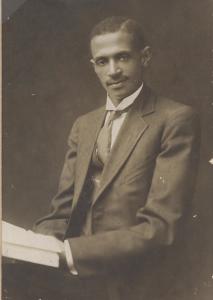
Shepard, Dr. James Edward (1875-1947) founded the National Religious Training School and Chatauqua in Durham in 1910. It subsequently became the National Training School and, in 1923, the Durham State Normal School. North Carolina Central University is the successor institution to this school for educators. Like Booker T. Washington, Shepard took a conciliatory approach toward race questions, saying “we cannot legislate hate out of the world nor love into it.”
from Dictionary of North Carolina Biography, vol. 4, pp. 328-329 and Joanne Abel’s Persistence and Sacrifice
Smith, William was a preacher in Rougemont. Through his advocacy the first Rosenwald school in Durham County was built, after many trials and tribulations. Building came to a halt after Frank Husband was not rehired as Durham County’s first Jeanes supervisor and again when the construction did not meet Rosenwald Fund standards. Throughout the process, Rev. Smith continually lobbied the county school board for action, going so far as to pay for some construction himself, with the idea that the board would reimburse him. Rev. Smith also advocated for Rosenwald schools in neighboring Person County.
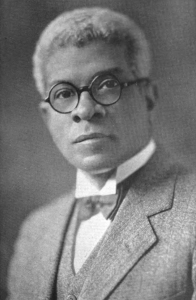
Spaulding, Charles Clinton Sr. (1874-1952) was, like his contemporary, Dr. Aaron Moore, a community leader in black Durham and a prominent businessman, serving, most notably, as president of North Carolina Mutual Life Insurance from 1923 to 1952. Walter B. Weare describes him as having had “an international reputation as America’s leading black businessman.” In his capacity as a black community leader, Spaulding advocated for improvements in the community’s educational opportunities and deftly negotiated the rift between working toward racial uplift and avoiding a white backlash against such ambitions. A Democrat, he served as an advisor to President Franklin D. Roosevelt, particularly on appointments to the “black cabinet,” an informal group of black advisors on public policy, and as an advocate for the National Recovery Administration (NRA) to the black community. He was a member of the Rosenwald Fund’s board of directors.
from Dictionary of North Carolina Biography, vol. 5, p. 408
Black Community Leaders
Moore, Dr. Aaron McDuffie (1863-1923) was Durham’s first black physician and a pillar of the city’s black community. He was among the founders of the North Carolina Mutual Life Insurance Company (1899) and later its president. The company, still in business today, prides itself on its early and unwavering commitment to community improvement, as described by the concept of the “Double-Duty Dollar” – profits made from insurance sales are reinvested into the community.
Moore was a major proponent of education as a means of community uplift. Eeven in the late 1880s, well before North Carolina’s white supremacy campaigns, he found the white majority of Durham hostile to his efforts in direct politics. Like other black leaders of the New South, he redirected his energies to self-help, racial solidarity, and the formation of all-black institutions. The institutions he helped establish include Lincoln Hospital (1901), where he served as superintendent, and the Durham Colored Library (1913), which later became the Stanford L. Warren Library.
Moore advocated for the employment of Jeanes teachers in Durham schools and worked to get state approval for rural schools to receive state funds, which could then be matched by Rosenwald grants. Before attending medical school, he had himself worked as a teacher, and in 1915, he authored Negro Rural School Problem. Condition-Remedy for the North Carolina Teachers’ Association.
from Dictionary of North Carolina Biography, vol. 4, pp. 292-293 and Abel, Joanne, Persistence and Sacrifice
Pearson, William Gaston (W. G.) was a leading African American educator in Durham and principal of Whitted Graded School and Hillside Park High School.
from The North Carolina Century: Tar Heels Who Made a Difference, 1900-2000, pp. 5, 165
Shepard, Dr. James Edward (1875-1947) founded the National Religious Training School and Chatauqua in Durham in 1910. It subsequently became the National Training School and, in 1923, the Durham State Normal School. North Carolina Central University is the successor institution to this school for educators. Like Booker T. Washington, Shepard took a conciliatory approach toward race questions, saying “we cannot legislate hate out of the world nor love into it.”
from Dictionary of North Carolina Biography, vol. 4, pp. 328-329 and Joanne Abel’s Persistence and Sacrifice
Smith, William was a preacher in Rougemont. Through his advocacy the first Rosenwald school in Durham County was built, after many trials and tribulations. Building came to a halt after Frank Husband was not rehired as Durham County’s first Jeanes supervisor and again when the construction did not meet Rosenwald Fund standards. Throughout the process, Rev. Smith continually lobbied the county school board for action, going so far as to pay for some construction himself, with the idea that the board would reimburse him. Rev. Smith also advocated for Rosenwald schools in neighboring Person County.
Spaulding, Charles Clinton Sr. (1874-1952) was, like his contemporary, Dr. Aaron Moore, a community leader in black Durham and a prominent businessman, serving, most notably, as president of North Carolina Mutual Life Insurance from 1923 to 1952. Walter B. Weare describes him as having had “an international reputation as America’s leading black businessman.” In his capacity as a black community leader, Spaulding advocated for improvements in the community’s educational opportunities and deftly negotiated the rift between working toward racial uplift and avoiding a white backlash against such ambitions. A Democrat, he served as an advisor to President Franklin D. Roosevelt, particularly on appointments to the “black cabinet,” an informal group of black advisors on public policy, and as an advocate for the National Recovery Administration (NRA) to the black community. He was a member of the Rosenwald Fund’s board of directors.
from Dictionary of North Carolina Biography, vol. 5, p. 408
Funders
Caldwell, B.C. was field director of the Jeanes Fund.
Calloway, Clinton J. was head of Tuskegee Institute’s extension department and first director of the Rosenwald Fund.
Dillard, Dr. James H. was chairman of the Negro Rural School Fund, known as the Jeanes Fund, and dean of the College of Arts and Sciences at Tulane University.
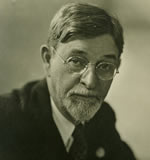
Few, William P. was president of Trinity College (1910) and later of Duke University (1924- 1940). Few served on the board of directors of the Jeanes Fund in 1917 and may have encouraged William Wannamaker to provide support for Mattie Day in her capacity as Jeanes supervisor.
Jeanes, Anna was the Quaker daughter of a wealthy dry goods dealer and coal mine owner. In 1907 she pledged $1 million for development of rural black schools to the Rockefeller Fund, which managed the monies.
Randolph, Virginia Estelle was the influential supervising teacher from Henrico County, Virginia who was both practical and diplomatic. Her successes in the black schools as the first Jeanes supervising teacher led to development of positions similar to hers throughout the South (25-6).
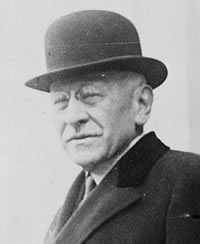
Rosenwald, Julius, president of Sears, Roebuck and Co., created the Rosenwald Fund.
Smith, Samuel L. (S. L.) was field agent and second director of the Rosenwald Fund.
Stern, Alfred K. was the third director of the Rosenwald Fund.
Funders
Caldwell, B.C. was field director of the Jeanes Fund.
Calloway, Clinton J. was head of Tuskegee Institute’s extension department and first director of the Rosenwald Fund.
Dillard, Dr. James H. was chairman of the Negro Rural School Fund, known as the Jeanes Fund, and dean of the College of Arts and Sciences at Tulane University.
Few, William P. was president of Trinity College (1910) and later of Duke University (1924- 1940). Few served on the board of directors of the Jeanes Fund in 1917 and may have encouraged William Wannamaker to provide support for Mattie Day in her capacity as Jeanes supervisor.
Jeanes, Anna was the Quaker daughter of a wealthy dry goods dealer and coal mine owner. In 1907 she pledged $1 million for development of rural black schools to the Rockefeller Fund, which managed the monies.
Randolph, Virginia Estelle was the influential supervising teacher from Henrico County, Virginia who was both practical and diplomatic. Her successes in the black schools as the first Jeanes supervising teacher led to development of positions similar to hers throughout the South (25-6).
Rosenwald, Julius, president of Sears, Roebuck and Co., created the Rosenwald Fund.
Smith, Samuel L. (S. L.) was field agent and second director of the Rosenwald Fund.
Stern, Alfred K. was the third director of the Rosenwald Fund.
Politicians
Allen, T. A., was state superintendent of education, 1923-1924, during which time the Rosenwald Fund offered monies for vocational education facilities.
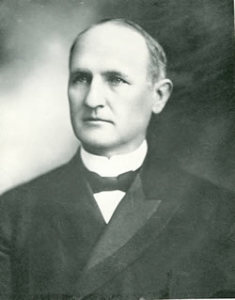
Aycock, Gov. Charles Brantley (1859-1912) began his career as a schoolteacher. Aycock was interested, even before entering politics, in education and the betterment of public schools, though this was through the lenses of segregation. In the 1880s, for instance, he advocated for taxes in Goldsboro to support school development, with the plan that money from white taxpayers would go to white schools and money from blacks, to black schools.
In the late 1890s Republican governor Daniel L. Russell advocated for greater black participation in politics. Aycock, one of the main voices for North Carolina’s Democrats, cited the supremacy of whites as his reason for opposing Russell’s support for black participation.
Aycock’s emphasis on education continued through his 1900 gubernatorial campaign. The push for education for whites meant they could vote in greater numbers under literacy test laws, which he supported. Much of his tenure as governor was spent in promoting education across the state. While funding for black education increased at a slower rate than white, it saw some increase under his leadership, and rates of school attendance and length of school year in both communities increased. He was governor from 1901 to 1905.
As North Carolina’s “education governor,” Aycock’s influence was felt well into the era of the Jeanes teachers. The public underfunding of black schools in North Carolina during the Jim Crow era reflects the decisions made during Aycock’s governorship.
from Dictionary of North Carolina Biography, vol. 1, pp. 73-75
Brooks, Dr. Eugene Clyde (E. C.) (1871-1947) was a teacher and education advocate. In 1902, with Charles McIver, James Joyner, and others, he worked to advance Gov. Aycock’s education campaign, with its emphasis on improving white literacy to meet standards of political literacy tests. After the campaign, Joyner chose him for a role at the North Carolina Department of Public Instruction, where he focused on rural education development. In 1907 Brooks returned to his alma mater, Trinity College (later Duke University), to found a department of education and to improve North Carolina’s teacher training. He encouraged the development of teacher extension programs such as the Teachers’ Reading Circle. Between 1919 and 1923 he was state superintendent of public instruction and led many educational improvement efforts in the state for black and white students.
from Dictionary of North Carolina Biography, vol. 1, pp. 236-237
Joyner, James Yadkin (1862-1954), North Carolina’s state superintendent of public instruction from 1902 to 1919, supported Gov. Charles Aycock’s attempts to improve education in North Carolina. He served as a teacher in several schools across the state and in a number of education leadership roles before his appointment to the superintendency. Under Joyner’s leadership, schools improved in many ways including attendance rates, length of mandatory school year, and funding levels. He showed a willingness to explore alternative funding sources such as the Southern Education Board.
from Dictionary of North Carolina Biography, vol. 3, pp. 336-338
Politicians
Allen, T. A., was state superintendent of education, 1923-1924, during which time the Rosenwald Fund offered monies for vocational education facilities.
Aycock, Gov. Charles Brantley (1859-1912) began his career as a schoolteacher. Aycock was interested, even before entering politics, in education and the betterment of public schools, though this was through the lenses of segregation. In the 1880s, for instance, he advocated for taxes in Goldsboro to support school development, with the plan that money from white taxpayers would go to white schools and money from blacks, to black schools.
In the late 1890s Republican governor Daniel L. Russell advocated for greater black participation in politics. Aycock, one of the main voices for North Carolina’s Democrats, cited the supremacy of whites as his reason for opposing Russell’s support for black participation.
Aycock’s emphasis on education continued through his 1900 gubernatorial campaign. The push for education for whites meant they could vote in greater numbers under literacy test laws, which he supported. Much of his tenure as governor was spent in promoting education across the state. While funding for black education increased at a slower rate than white, it saw some increase under his leadership, and rates of school attendance and length of school year in both communities increased. He was governor from 1901 to 1905.
As North Carolina’s “education governor,” Aycock’s influence was felt well into the era of the Jeanes teachers. The public underfunding of black schools in North Carolina during the Jim Crow era reflects the decisions made during Aycock’s governorship.
from Dictionary of North Carolina Biography, vol. 1, pp. 73-75
Brooks, Dr. Eugene Clyde (E. C.) (1871-1947) was a teacher and education advocate. In 1902, with Charles McIver, James Joyner, and others, he worked to advance Gov. Aycock’s education campaign, with its emphasis on improving white literacy to meet standards of political literacy tests. After the campaign, Joyner chose him for a role at the North Carolina Department of Public Instruction, where he focused on rural education development. In 1907 Brooks returned to his alma mater, Trinity College (later Duke University), to found a department of education and to improve North Carolina’s teacher training. He encouraged the development of teacher extension programs such as the Teachers’ Reading Circle. Between 1919 and 1923 he was state superintendent of public instruction and led many educational improvement efforts in the state for black and white students.
from Dictionary of North Carolina Biography, vol. 1, pp. 236-237
Joyner, James Yadkin (1862-1954), North Carolina’s state superintendent of public instruction from 1902 to 1919, supported Gov. Charles Aycock’s attempts to improve education in North Carolina. He served as a teacher in several schools across the state and in a number of education leadership roles before his appointment to the superintendency. Under Joyner’s leadership, schools improved in many ways including attendance rates, length of mandatory school year, and funding levels. He showed a willingness to explore alternative funding sources such as the Southern Education Board.
from Dictionary of North Carolina Biography, vol. 3, pp. 336-338